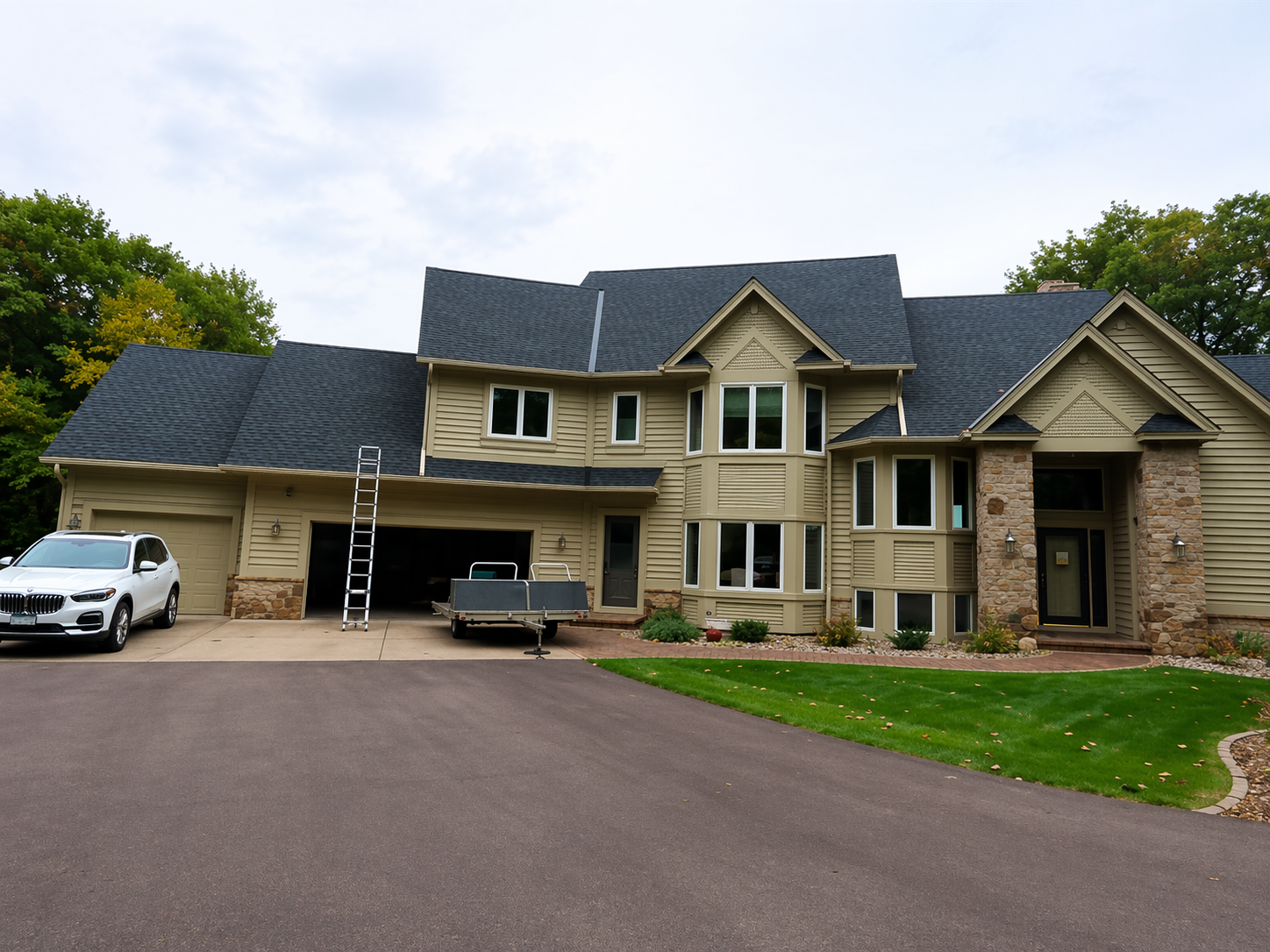
If you are buying a home in Albert Lea or anywhere in southern Minnesota, the home inspection is one of the most important investments you will make in the entire process. It is also one of the smallest, in proportion to the price of the home itself. The inspection cost is a fraction of the closing costs, but the report it produces can save you tens of thousands of dollars in repairs, give you negotiating leverage, or in some cases tell you to walk away from a property you should never have offered on. Yet many buyers approach the inspection cost question with no clear sense of what shapes the price or what they are getting for the money.
This guide explains the actual factors that drive home inspection pricing in Albert Lea and the surrounding southern Minnesota communities. We do not list specific dollar amounts because every property is different and pricing is genuinely individual — but we do explain exactly what the inspector is evaluating when they put together your quote, and why some inspections naturally cost more than others. If you want a real, accurate price for your specific property, the fastest way to get one is through our instant quote calculator.
The Main Factors That Influence Home Inspection Cost
1. Square Footage
The single biggest driver of home inspection pricing is the total square footage of the home. A larger home has more rooms, more electrical outlets, more plumbing fixtures, more windows, more roof area, and more wall surface to evaluate. A 1,200 square foot rambler in Albert Lea takes substantially less time to inspect thoroughly than a 4,500 square foot custom home in Rochester. Most inspectors price in tiers based on square footage ranges, with the price increasing as the home gets larger.
2. Age of the Home
Older homes generally cost more to inspect than newer ones. There are several reasons. Older properties have more cumulative wear and require more time to evaluate carefully. They often have outdated systems — knob-and-tube wiring, galvanized plumbing, fuse boxes, asbestos-era materials, balloon framing — that require additional knowledge and judgment to assess properly. They also tend to have more documented history of repairs, additions, and modifications that need to be evaluated for code compliance and quality of work. A century-old Victorian in downtown Northfield will take longer to inspect than a five-year-old build in a Lakeville subdivision, and the price reflects that.
3. Property Type
Different property types involve different inspection scopes. A standard single family home inspection covers a known set of systems. A condo inspection may be smaller in scope because the building exterior and shared systems are excluded. A duplex inspection requires evaluating two units. A manufactured home inspection involves frame and skirting checks that traditional homes do not need. A commercial property inspection follows entirely different standards. The price reflects the actual scope of the work.
4. Add-On Services
Many homebuyers choose to bundle additional services with their core home inspection to get a more complete picture of the property. The most common add-ons in Minnesota include:
- Sewer scope inspection: A camera inspection of the underground sewer line. Critical for older properties because clay or cast iron sewer lines can have hidden damage that costs thousands to repair.
- Thermal imaging: Infrared scanning to detect hidden moisture, missing insulation, and electrical hot spots that are invisible during a visual inspection.
- Mold inspection: Visual mold assessment with optional air quality testing for properties with known moisture history.
- Home energy audit: A detailed evaluation of insulation, air sealing, and HVAC efficiency to identify ways to lower utility bills.
- Radon testing: Critical in southern Minnesota where radon levels are elevated due to local geology.
- Well water testing: Important for rural properties on private wells throughout Freeborn, Steele, Mower, Olmsted, and surrounding counties.
Each add-on increases the total price but also increases the value of the inspection. Bundling them at the time of booking is almost always more economical than adding them after the fact.
5. Location and Travel Distance
Most reputable home inspection companies serve a defined geographic area without travel surcharges within that area. We provide inspection services throughout southern Minnesota and northern Iowa — including Albert Lea, Owatonna, Faribault, Rochester, Mankato, Northfield, and many other communities — without additional travel charges. If you are outside our standard service area, contact us and we will let you know what is possible.
6. Inspector Experience and Certification
Not all inspectors are equal. An InterNACHI certified inspector has completed extensive training, passed a comprehensive examination, and committed to ongoing continuing education. They follow a defined Standards of Practice and a Code of Ethics. They carry professional liability insurance. They produce detailed, photo-rich reports using modern software. They do all of this not because it is required by law in Minnesota (currently it is not) but because it is the standard of professional practice in the home inspection industry. Inspectors who skip these steps may charge less, but you are also getting less. It is genuinely worth paying for an inspector who has invested in their qualifications.
Why the Cheapest Inspection Is Rarely the Best Value
Every Minnesota homebuyer eventually faces the temptation to go with the cheapest inspection quote. We understand the impulse. Closing costs add up quickly and saving a couple hundred dollars feels meaningful. But here is the reality: the home inspection is the one report that determines whether you spend the next decade comfortable in your new home or fighting unexpected repairs. A budget inspector who spends an hour walking through the property and emails you a thin report has not actually saved you money — they have just delayed the discovery of problems until after you own them.
A thorough inspection from an InterNACHI certified professional typically takes three to four hours on site for an average single family home, plus several more hours of documentation and report writing back at the office. The final report contains dozens or hundreds of photographs, detailed findings organized by system, severity classifications, repair recommendations, and educational context that helps you understand your new property. That kind of work cannot be done in an hour, and it cannot be done cheaply by someone trying to maximize daily inspection volume.
How to Get an Accurate Quote for Your Property
Because every property is different, the best way to get an accurate price for your home inspection is to use our online instant quote calculator. You enter the basic property details — square footage, year built, property type, and any add-on services you want — and you see your real, customized price in seconds. There is no callback waiting, no voicemail tag, no surprise charges. You can also call us directly at 507-721-0122 and we will walk through the quote with you over the phone.
If you are still in the early stages of looking at homes and just want to understand what to expect, we are happy to answer your questions even if you are not ready to book yet. The home inspection process is one of the most important parts of a real estate transaction and we believe every homebuyer deserves to make an informed decision.