Complete Home Inspection Services in Albert Lea, MN
InterNACHI certified inspectors evaluating 13 critical areas of your property. Every system, every component, every detail — so you buy with confidence.
InterNACHI certified inspectors evaluating 13 critical areas of your property. Every system, every component, every detail — so you buy with confidence.
A home inspection is one of the most important steps in any real estate transaction. Whether you are purchasing your first home near Fountain Lake, investing in a rental property on South Broadway, or selling a family home in the Hawthorne neighborhood, a professional home inspection provides the objective information you need to make sound decisions. At Albert Lea Home Inspections, our InterNACHI certified inspectors conduct thorough evaluations of every major system and component in a residential property, following nationally recognized standards of practice that ensure nothing gets overlooked.
Our comprehensive home inspection covers 13 distinct areas of your property, each receiving focused attention from inspectors who understand how southern Minnesota's climate affects building materials and systems. From the roof peak to the foundation footer, from the electrical panel to the farthest plumbing fixture, we examine the home as an integrated system where the condition of one component affects everything connected to it. A failing roof does not just damage shingles — it leads to attic moisture, insulation degradation, structural decay, and interior damage. A foundation crack is not just cosmetic — it can signal drainage problems, structural movement, and future water intrusion. Our inspectors understand these relationships and report findings in context.
Every inspection includes a detailed digital report with high-resolution photographs, clear descriptions of conditions and deficiencies, and priority ratings that help you distinguish between items that need immediate attention and those that represent routine maintenance. Below you will find a complete overview of each inspection area we cover, with links to dedicated pages that explain our process in greater detail.
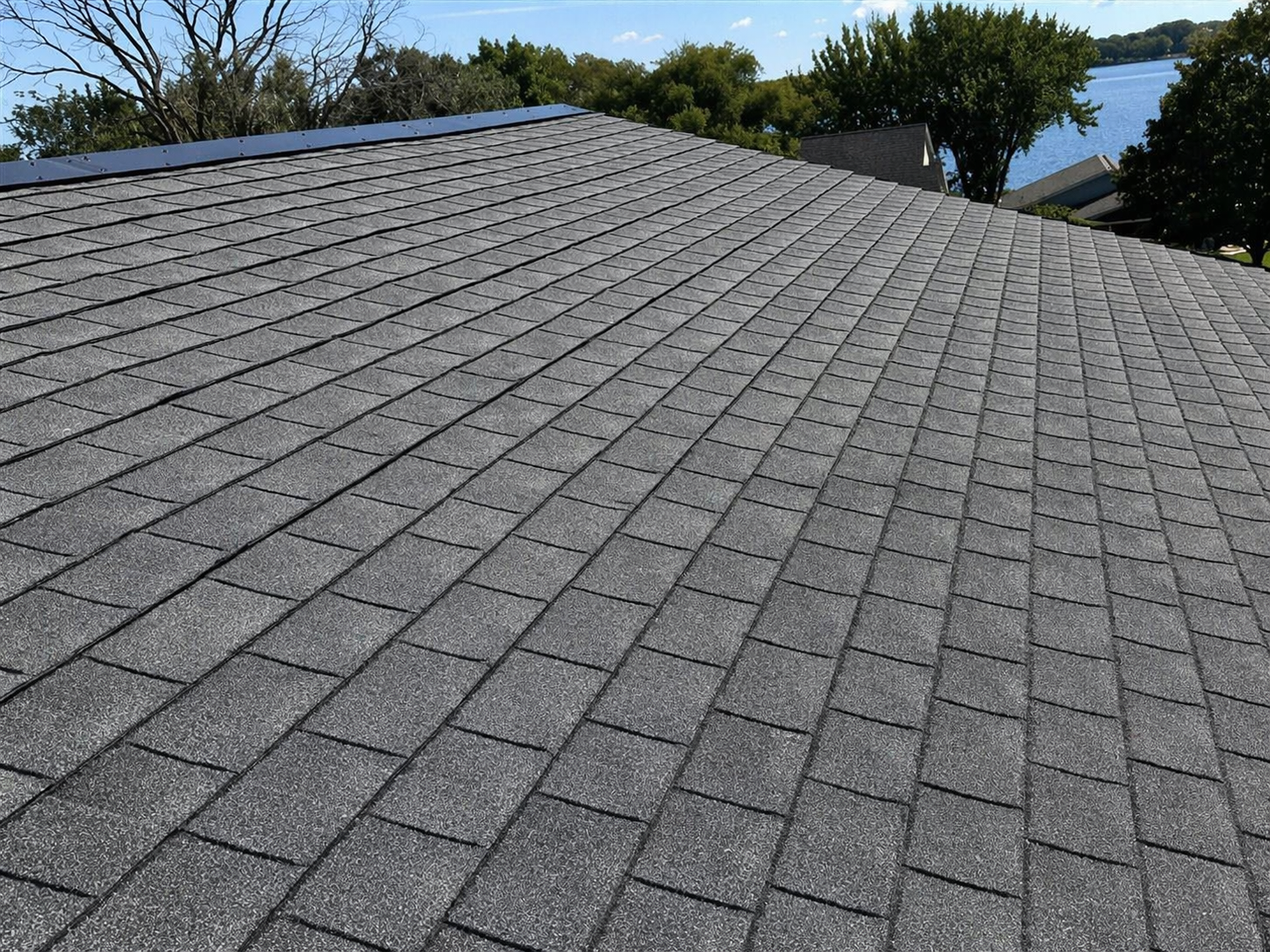
The roof is your home's primary defense against Minnesota's severe weather. Our roof inspection evaluates shingle condition, flashing integrity at every penetration and transition, gutter and downspout function, soffit and fascia condition, chimney components, skylight seals, and ventilation systems. We assess hail damage from southern Minnesota's active storm corridor and evaluate ice dam risk factors including attic insulation levels and air sealing. Knowing the remaining useful life of a roof before purchase helps you budget for replacement costs that can be significant on aging Minnesota roofs.
Learn About Roof Inspections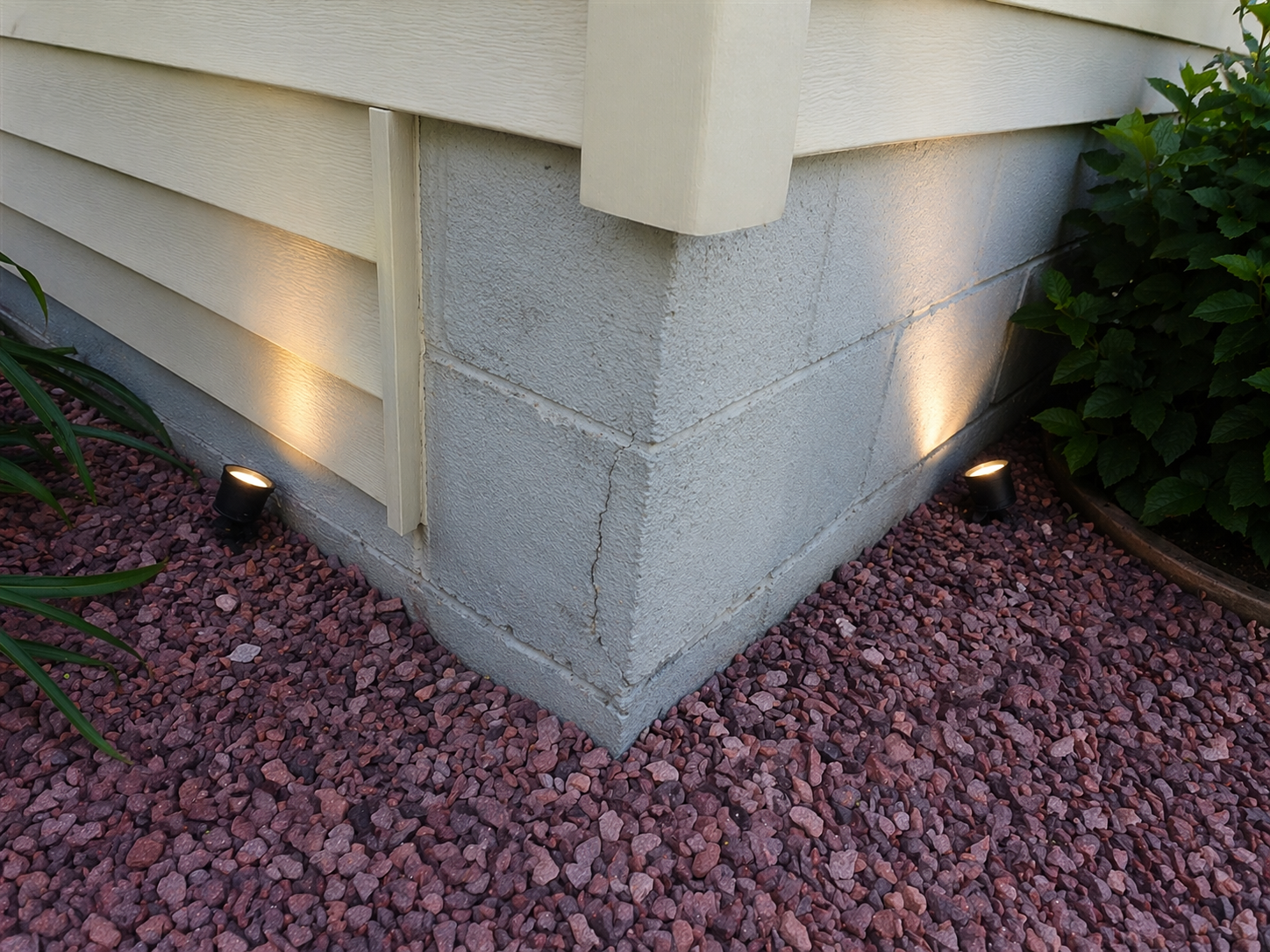
The foundation supports everything above it, and problems here affect the entire structure. We inspect poured concrete, block, and stone foundations for cracking patterns, bowing, settling, and water intrusion. Albert Lea's clay-heavy soils and freeze-thaw cycles create unique stresses on foundations, and our inspectors know how to read the signs. We evaluate interior and exterior drainage systems, sump pump operation, and basement moisture conditions. Foundation repairs can cost thousands to tens of thousands of dollars, making pre-purchase assessment essential.
Learn About Foundation Inspections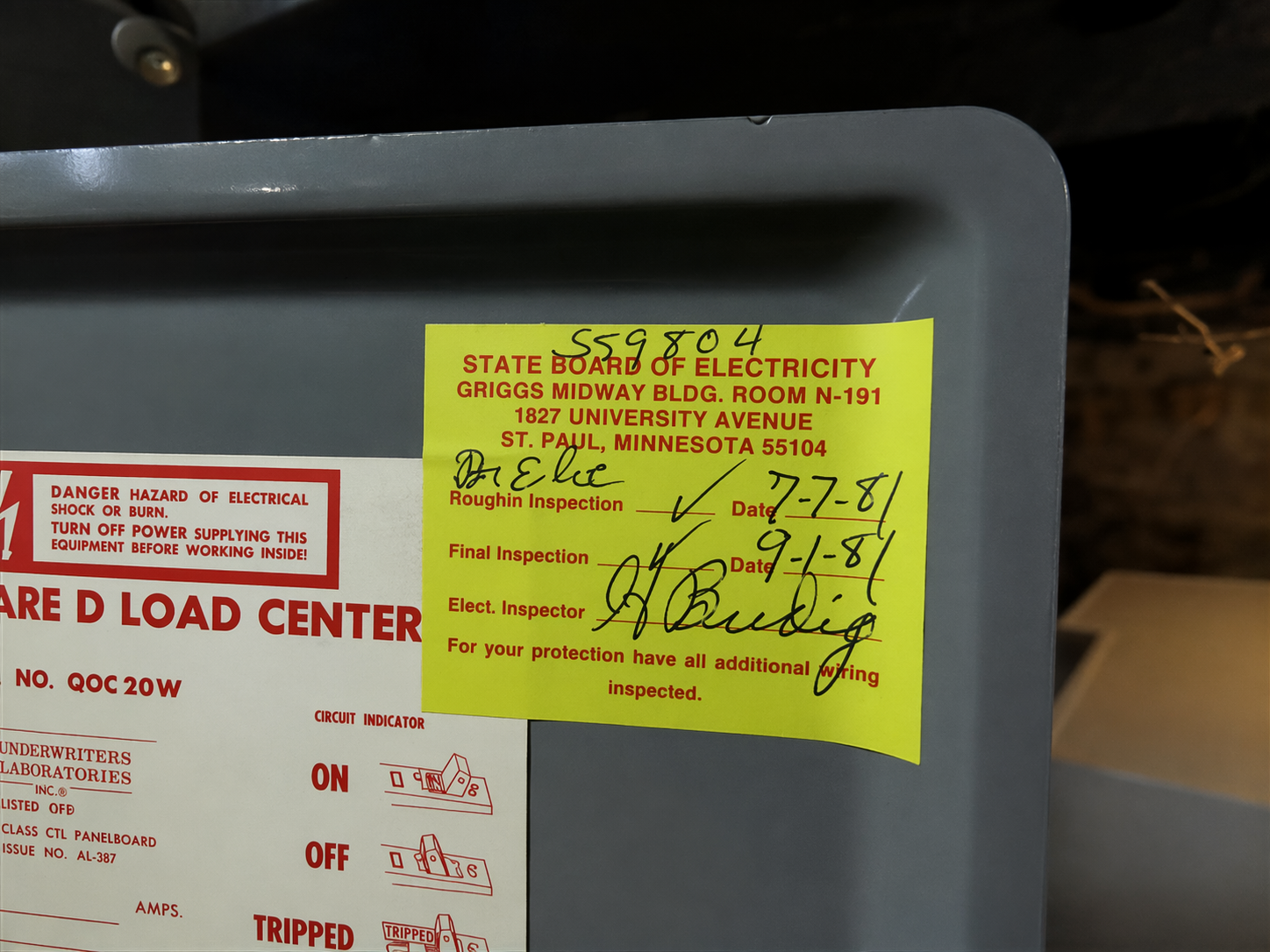
Electrical deficiencies are among the most serious safety hazards found during home inspections. We evaluate the service entrance, main panel, circuit breakers or fuses, visible wiring, outlets, switches, GFCI and AFCI protection, and grounding. Many Albert Lea homes built before 1970 have outdated panels, insufficient amperage, or wiring methods that no longer meet safety standards. We identify knob-and-tube wiring, aluminum branch circuit wiring, Federal Pacific and Zinsco panels, double-tapped breakers, and other conditions that present fire or shock hazards.
Learn About Electrical Inspections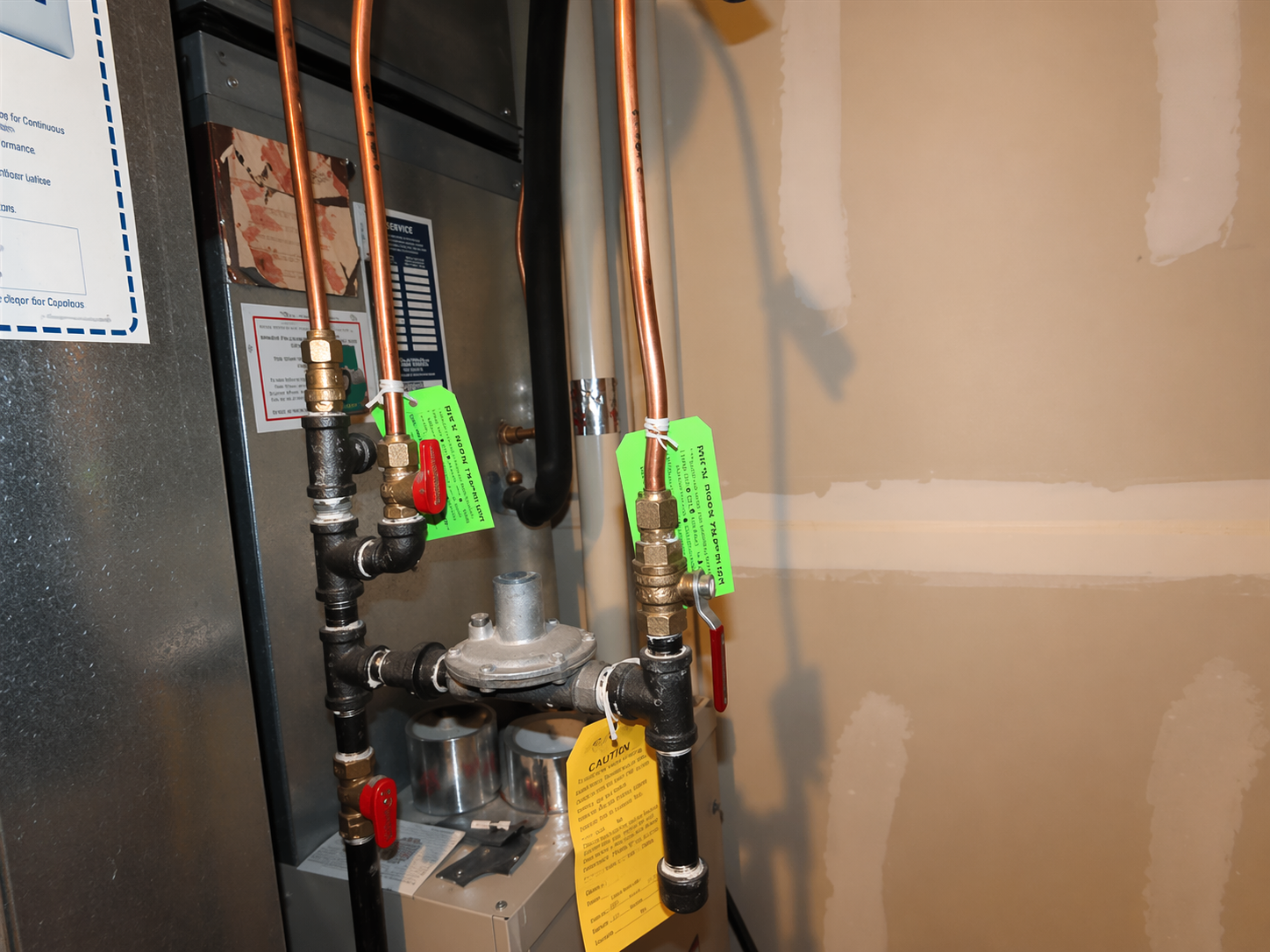
Our plumbing inspection covers the entire water distribution and drain-waste-vent system accessible during a visual inspection. We evaluate supply pipe material and condition, water pressure, water heater age and operation, fixture function, drain flow, and visible waste lines. Albert Lea homes from the 1950s and earlier frequently have galvanized steel supply pipes that corrode internally, restricting water flow and eventually leaking. We also check for polybutylene piping, improper venting, and cross-connections that can compromise water safety.
Learn About Plumbing Inspections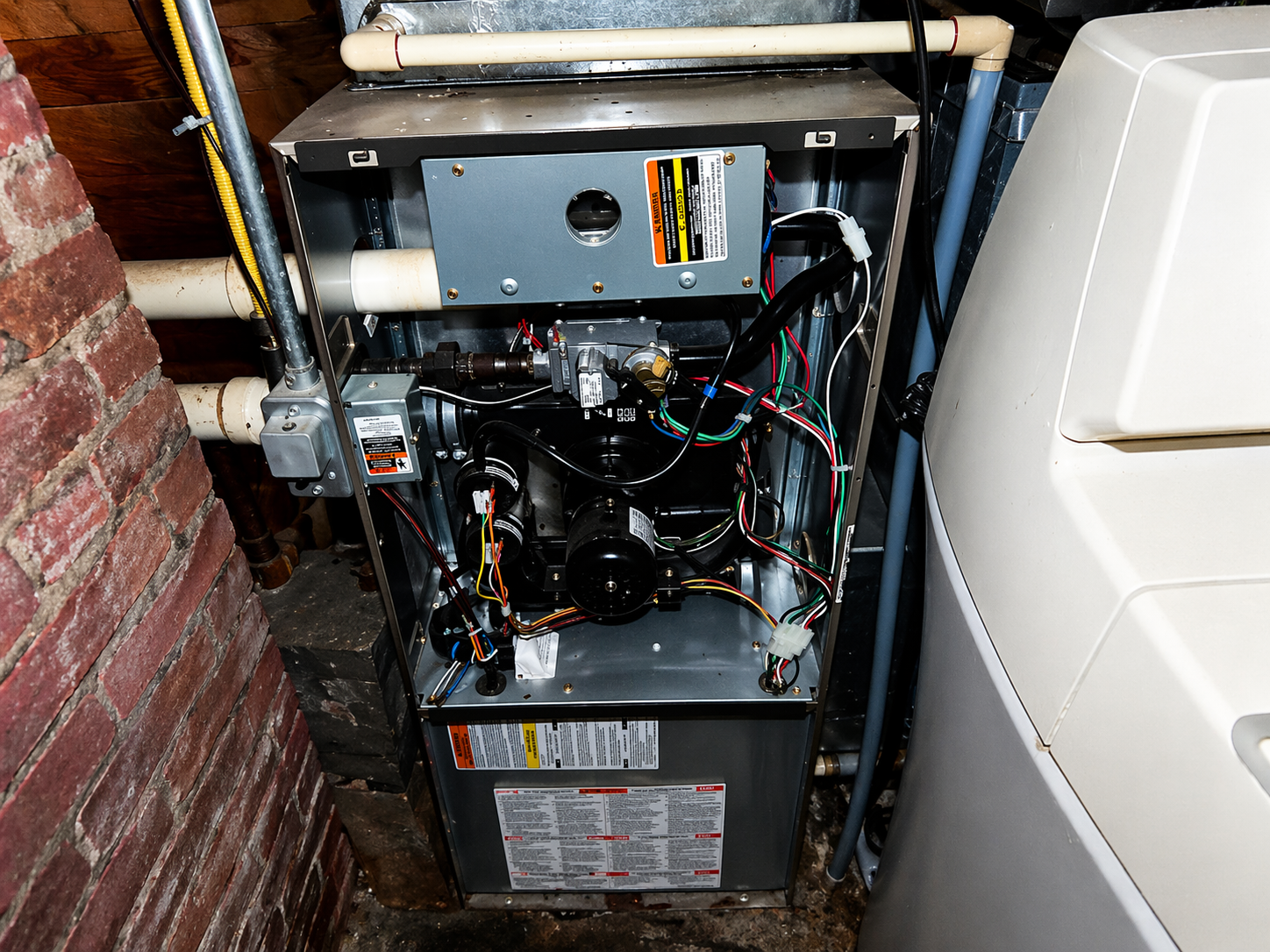
Heating and cooling systems are critical in Albert Lea's climate, where winter temperatures drop below zero and summer heat pushes into the 90s. We inspect the furnace or boiler, air conditioning system, heat pump, ductwork, thermostat, and air filtration. We test for proper operation, check heat exchangers for cracks that can leak carbon monoxide, verify combustion venting, and assess the age and expected remaining useful life of each component. Furnace and AC replacement together can cost significant repair costs, making condition assessment vital for purchase negotiations.
Learn About HVAC Inspections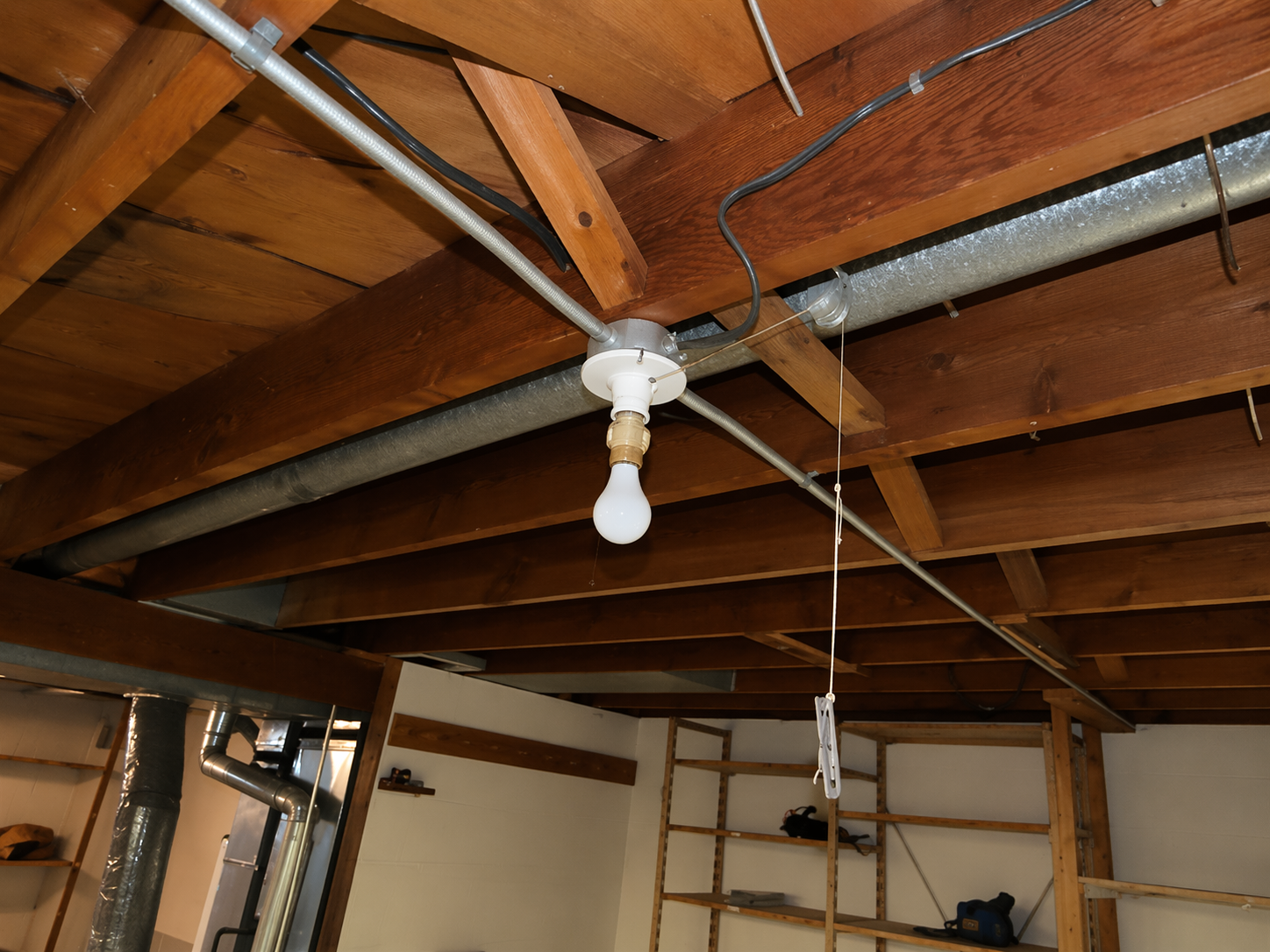
Structural integrity determines whether a home is safe to occupy and whether it will maintain its value over time. We evaluate visible framing members, load-bearing walls, beams, columns, joists, rafters, and connections. Signs of structural movement include uneven floors, doors and windows that do not operate properly, cracking in walls and ceilings, and separation at joints. In Albert Lea's older housing stock, we frequently encounter notched or cut structural members from past plumbing and electrical work, undersized beams, and inadequate support that needs correction.
Learn About Structural Inspections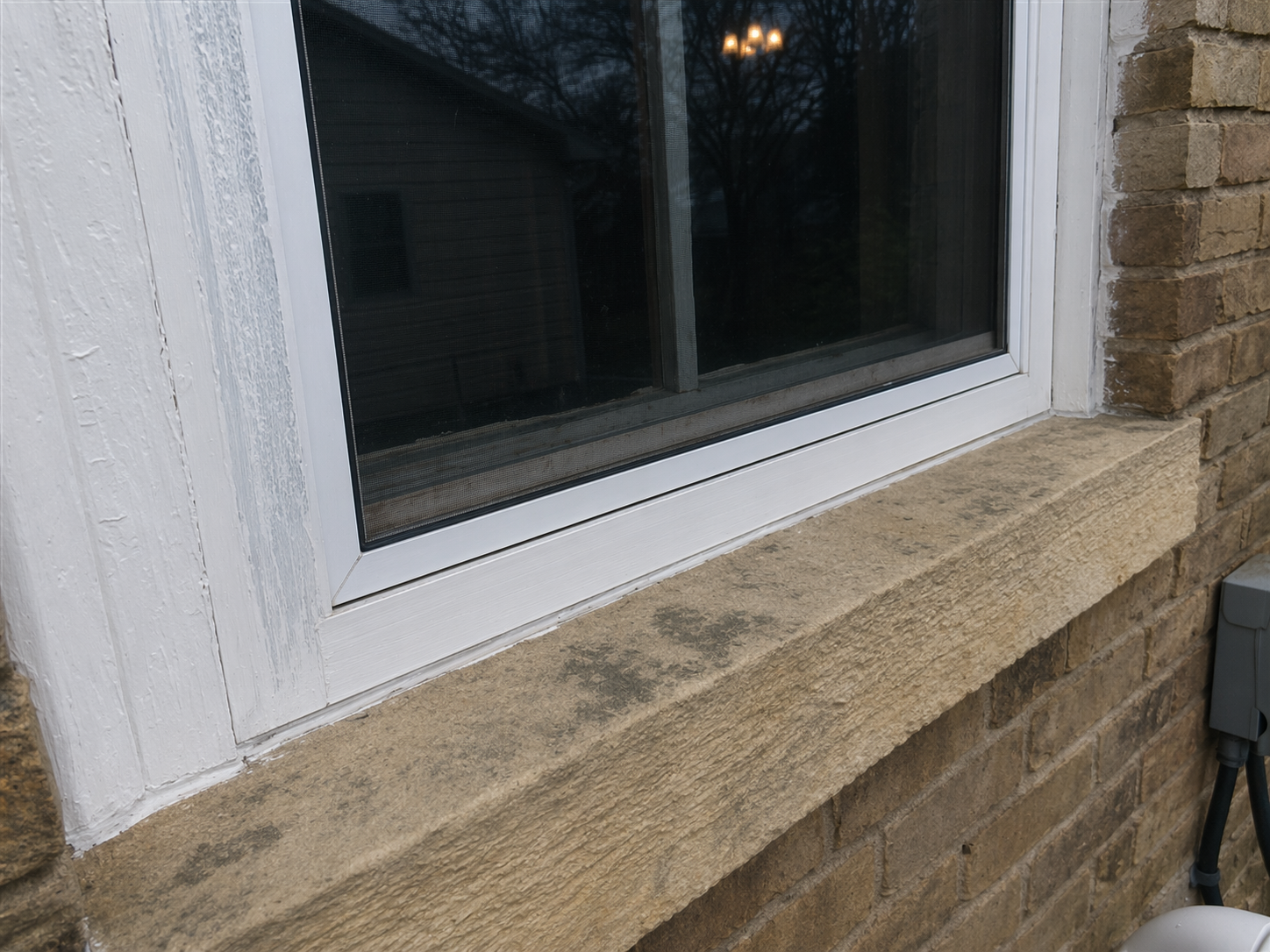
The building exterior is the weather barrier that protects everything inside. Our exterior inspection covers siding material and condition, window and door integrity, trim and caulking, grading and drainage around the foundation, driveways and walkways, porches, and exterior structures. Minnesota's freeze-thaw cycles, wind-driven rain, and ice are particularly hard on exterior materials. We identify deteriorating siding, failed caulking, improper grading that directs water toward the foundation, and pest entry points that can lead to interior damage if not addressed.
Learn About Exterior Inspections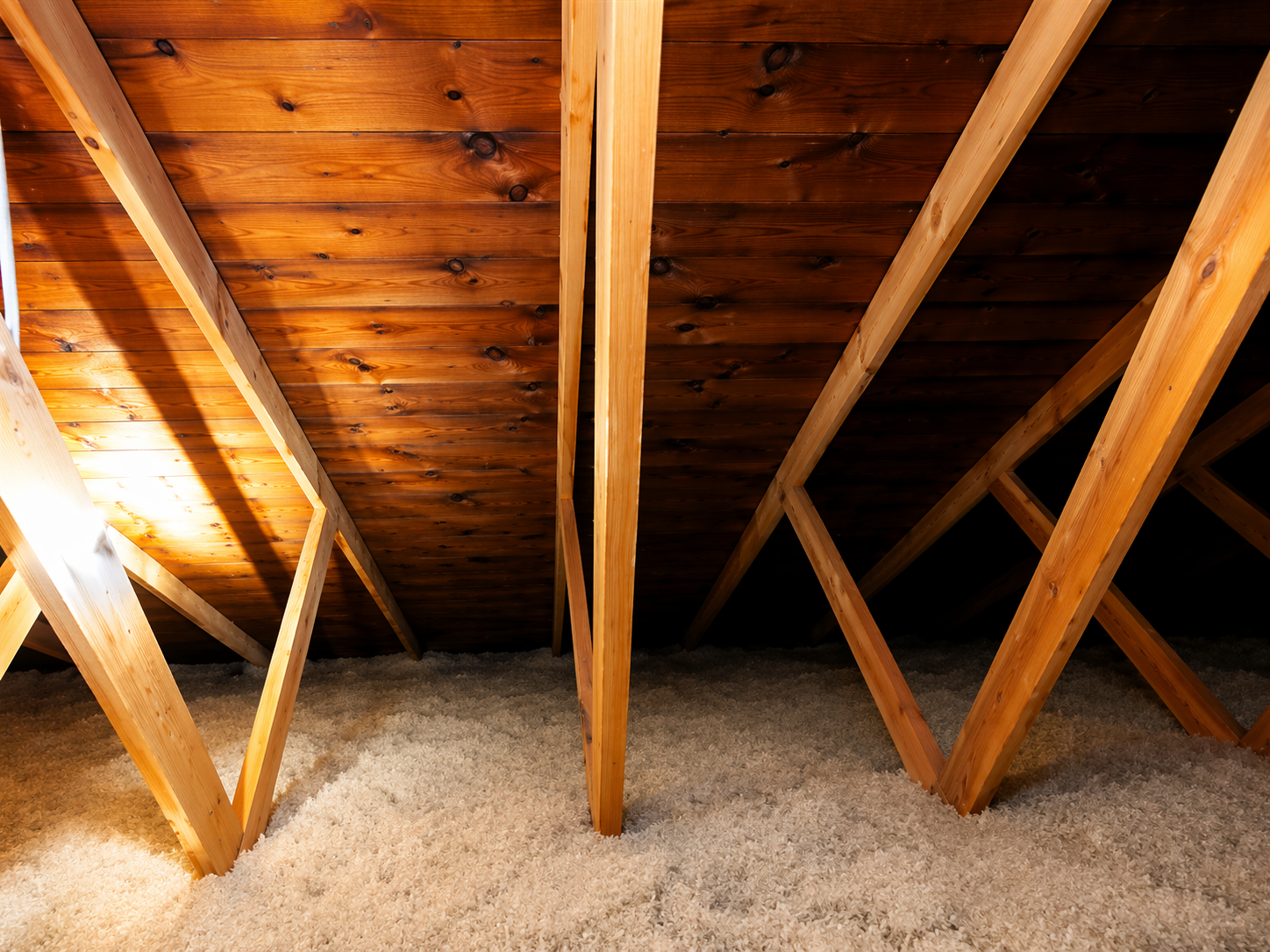
The attic reveals critical information about a home's energy efficiency, ventilation, and hidden water damage. We inspect insulation type, depth, and condition; ventilation adequacy and balance; roof sheathing condition from the interior; visible framing and connections; evidence of leaks or condensation; bathroom and kitchen exhaust venting; and signs of pest or animal activity. In Albert Lea homes, inadequate attic insulation and poor ventilation are the primary causes of ice dams, high energy bills, and premature roof failure. Our attic evaluation identifies these conditions before they cause expensive damage.
Learn About Attic Inspections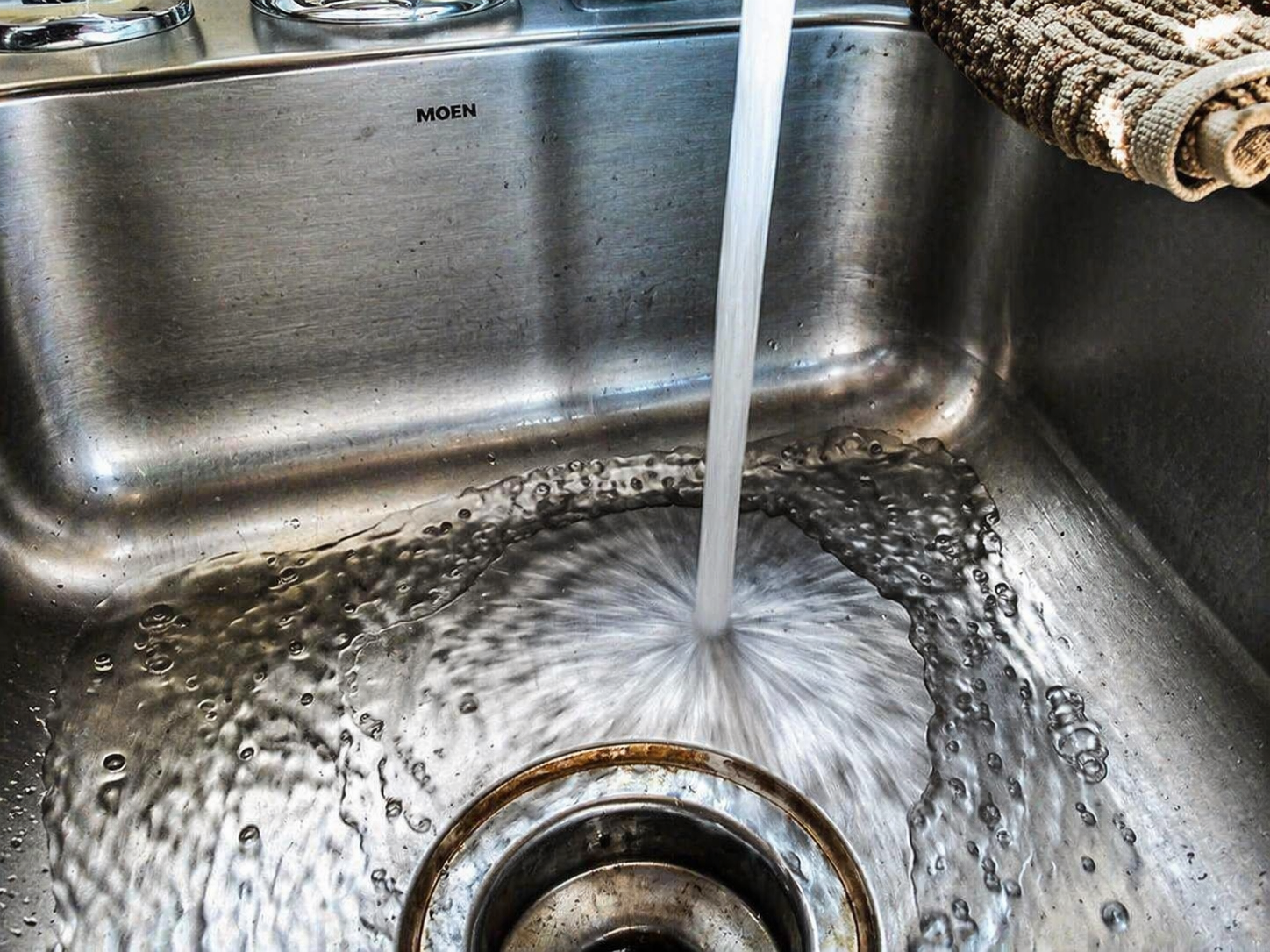
The kitchen is the most system-intensive room in most homes, combining plumbing, electrical, gas connections, ventilation, and appliances in a compact space. We evaluate countertop and cabinet condition, sink and faucet operation, dishwasher connections and function, garbage disposal, range and oven operation, range hood ventilation, GFCI outlet protection, and visible plumbing beneath sinks. We check for water damage under sinks, proper appliance installation, adequate ventilation for gas appliances, and code-compliant electrical circuits serving kitchen countertop areas.
Learn About Kitchen Inspections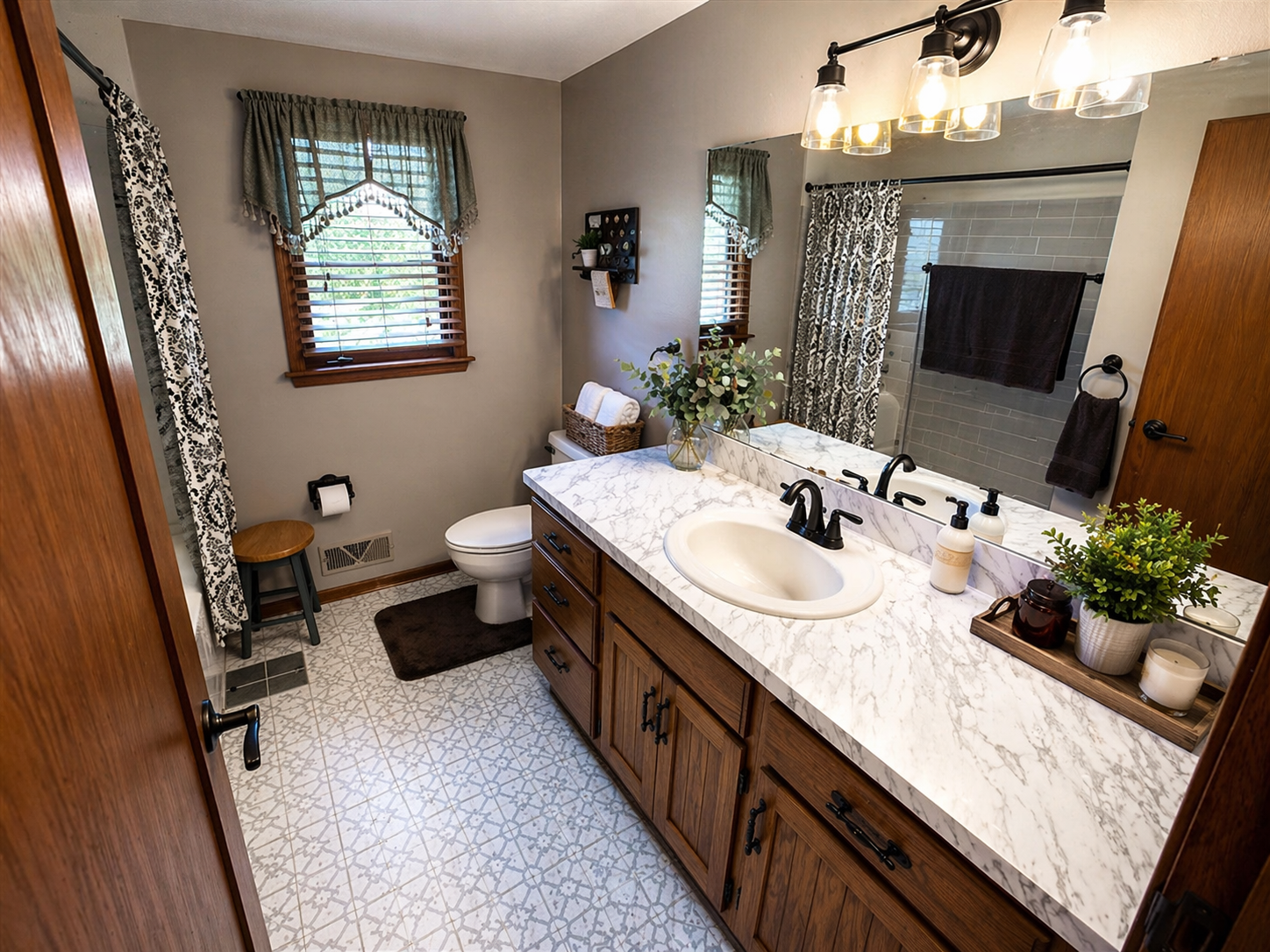
Bathrooms are high-moisture environments where water damage can develop hidden behind walls and beneath floors. We inspect toilet operation and mounting, sink and faucet function, tub and shower condition, tile and grout integrity, caulking at water-contact areas, exhaust fan operation and venting, GFCI outlet protection, and visible plumbing connections. We use moisture meters to check for hidden water damage around tubs and showers that may not be visible on the surface. Failed bathroom waterproofing is one of the most common sources of structural decay in residential properties.
Learn About Bathroom Inspections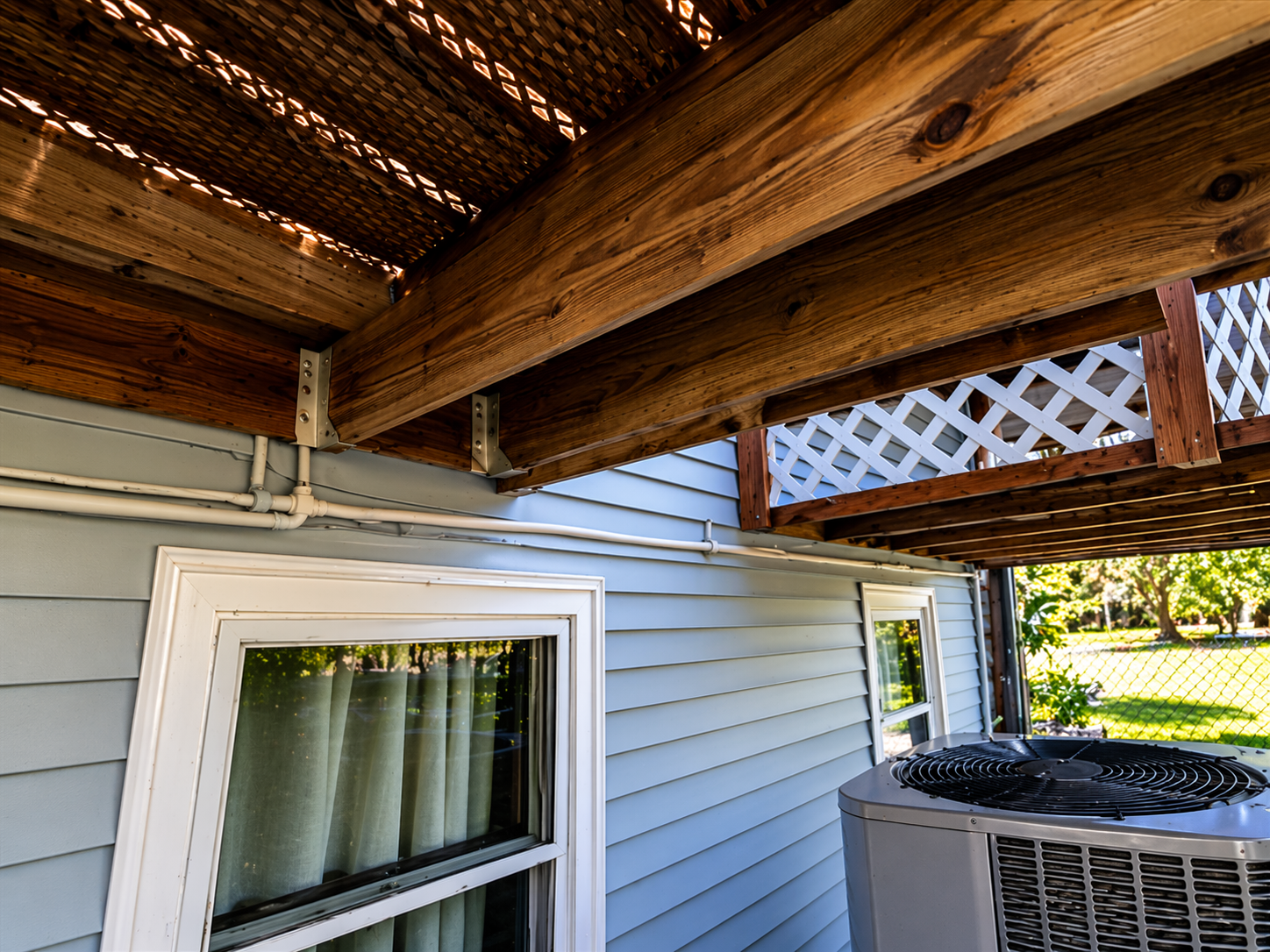
Decks are among the most common locations for structural failures in residential properties, and Minnesota's climate accelerates the deterioration of outdoor wood structures. We evaluate the ledger board connection to the house, post footings and connections, beam and joist condition, decking surface, railing height and strength, stair construction, and overall structural integrity. We check for rot at critical connection points, improper fastening methods, and building code deficiencies. Deck collapses cause serious injuries every year, and many are caused by defects that are visible during a professional inspection.
Learn About Deck Inspections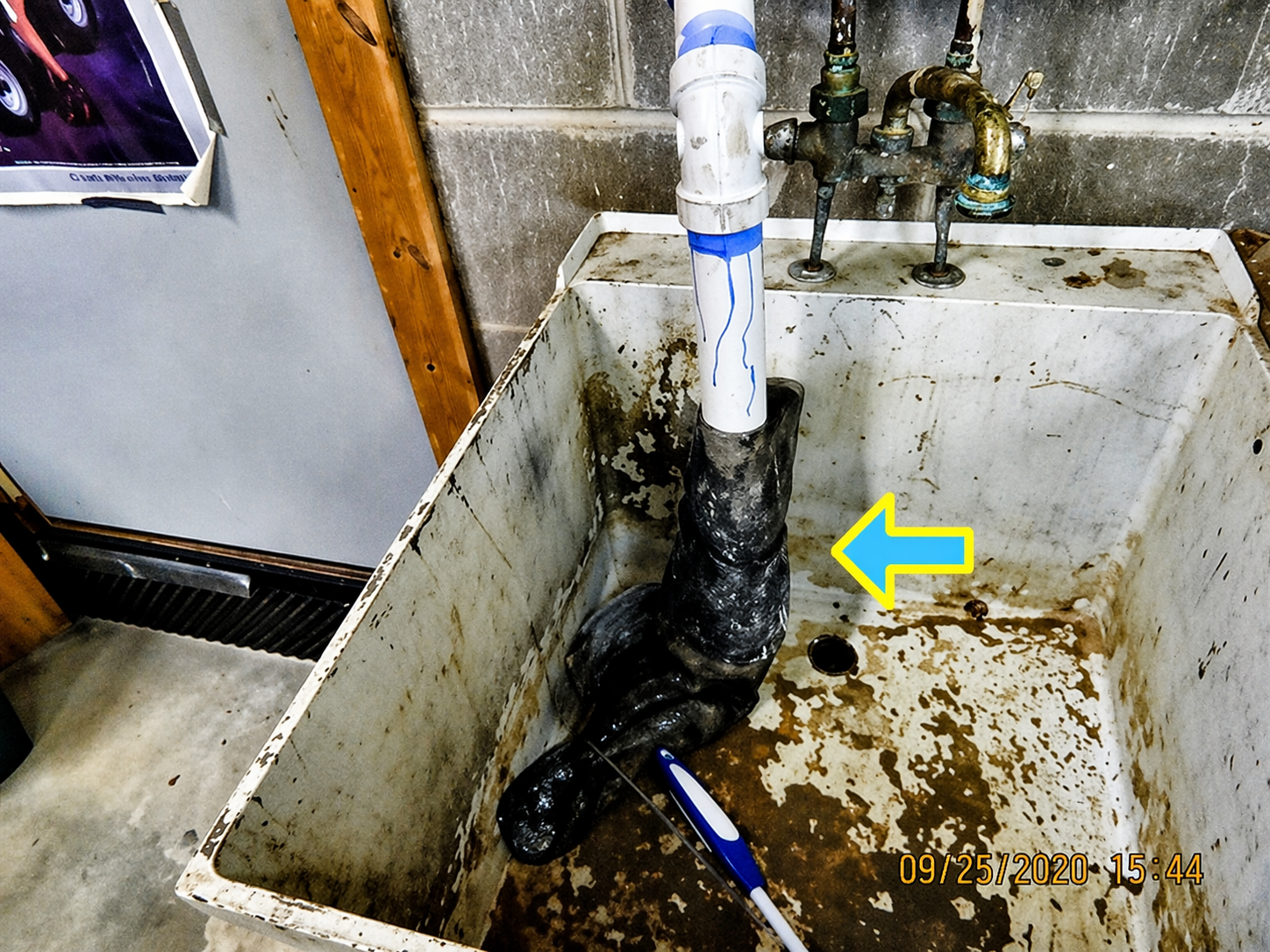
Laundry rooms contain water supply connections, drain systems, gas lines, electrical circuits, and dryer exhaust venting — all in a space that often receives less maintenance attention than kitchens and bathrooms. We inspect washing machine supply valves and hoses, drain connections, dryer venting material and routing, gas connections where applicable, electrical outlets and circuits, and the condition of the laundry space itself. Improperly vented dryers are a leading cause of house fires, and failing washing machine hoses cause more water damage claims than any other single source in residential properties.
Learn About Laundry Room Inspections
Moisture is the single greatest threat to a home's structural integrity and indoor air quality. Our moisture inspection uses professional-grade meters and sensors to detect elevated moisture levels in materials that appear dry on the surface. We evaluate basements, crawl spaces, bathrooms, kitchens, window areas, and any location where water intrusion history is suspected. Albert Lea's high water table and seasonal precipitation patterns make moisture management especially important for local homeowners. Early detection of moisture problems prevents mold growth, wood decay, and the thousands of dollars in remediation costs they require.
Learn About Moisture InspectionsChoosing a home inspector is one of the most important decisions in the home buying process. The difference between a thorough inspector and a superficial one can mean the difference between buying confidently and inheriting expensive surprises. Here is what sets Albert Lea Home Inspections apart from other inspection companies serving Freeborn County and southern Minnesota.
Our inspectors hold active certification from the International Association of Certified Home Inspectors, the world's largest and most respected home inspector organization. This certification requires passing comprehensive examinations, completing ongoing continuing education, and adhering to a strict code of ethics and standards of practice. When you hire us, you are hiring inspectors whose qualifications are verified and current.
We do not just inspect homes — we inspect homes in the context of southern Minnesota's demanding climate. From ice dam assessment on roofs to freeze-thaw evaluation of foundations, from insulation adequacy in attics to drainage performance around exterior walls, every finding is interpreted through the lens of how this home will perform through Albert Lea's winters and summers.
You receive a comprehensive digital report within 24 hours of your inspection, complete with high-resolution photographs of every finding, clear descriptions written in plain language, and priority ratings that help you focus on what matters most. Our reports are designed to be useful for purchase negotiations, repair planning, and long-term maintenance scheduling.
Our online calculator provides instant, accurate pricing for your specific property. No hidden fees, no surprises at the end of the inspection. The price you see is the price you pay. We believe every homebuyer deserves to know exactly what they are investing in before scheduling an inspection.
Beyond our 13 core inspection areas, we offer specialized add-on inspection services that provide deeper evaluation of specific concerns. Thermal imaging reveals hidden energy loss and moisture behind walls. Sewer scope inspection sends a camera through your drain lines to identify root intrusion, cracks, and blockages. Mold inspection identifies active growth and conditions that promote future problems. Home energy audits quantify where your heating and cooling dollars are going. Pool and spa inspections, termite inspections, and garage inspections round out our complete service offering.
We also inspect all property types throughout the Albert Lea area, from single-family homes and condominiums to commercial properties and manufactured homes.
Use our calculator below to get an instant estimate for your comprehensive home inspection in Albert Lea, MN and surrounding communities. All 13 inspection areas are included in every full home inspection.
Our full home inspection covers 13 major areas: roof, foundation, structural elements, electrical systems, plumbing, HVAC, exterior envelope, attic and insulation, kitchen, bathrooms, laundry room, deck and outdoor structures, and moisture evaluation. Each area receives a detailed assessment following InterNACHI Standards of Practice. We also offer add-on services like thermal imaging and sewer scope inspection for even more thorough coverage.
A typical comprehensive home inspection in Albert Lea takes 2 to 4 hours depending on the size, age, and condition of the property. Larger homes, older properties, and homes with additional structures may take longer. We never rush an inspection to ensure every system is thoroughly evaluated.
Our standard home inspection includes all 13 areas as part of one comprehensive evaluation. This is the most thorough and cost-effective approach. However, if you only need a specific area evaluated, such as a roof inspection before filing an insurance claim, we can accommodate targeted inspections. Call 507-721-0122 to discuss your needs.
Yes, our inspectors are InterNACHI certified, which requires extensive training across all residential building systems. InterNACHI is the world's largest association of home inspectors, and certification involves passing rigorous examinations on structural, mechanical, electrical, plumbing, and environmental components. We also pursue continuing education to stay current with building codes and inspection techniques. Learn more on our certifications page.