Minnesota winters are unforgiving. Subzero temperatures, deep snow loads, freeze-thaw cycles, and months of continuous heating system operation expose problems that summer inspections miss entirely. If you are buying a home in Albert Lea, Owatonna, Rochester, or anywhere in southern Minnesota during the winter, you are actually getting a stress-test of the property — and a thorough home inspector knows exactly what to look for. Here are the top 10 red flags Minnesota home inspectors find most often during the cold months, and what each of them really means for your purchase decision.
1. Ice Dams on the Roof
Ice dams form when warm air leaks from the heated interior of the home into the attic, melts the underside of the snow on the roof, and the meltwater refreezes at the cold eaves. This creates a wall of ice that traps water behind it, eventually pushing it under the shingles and into the wall and ceiling cavities below. Ice dams are not a roofing failure — they are an insulation and air sealing failure. When we see them during a roof inspection, we know there is a deeper problem in the attic that needs attention.
2. Frost on Attic Sheathing or Nails
One of the first things we check in a winter attic inspection is the underside of the roof sheathing and the protruding nail tips. If we see frost crystals or ice formation, it means warm humid air is escaping from the living space into the cold attic and condensing on cold surfaces. Over time this leads to mold, sheathing rot, and roof failure. Frost in the attic is one of the clearest red flags of inadequate vapor barrier, missing air sealing, or improper bathroom and kitchen exhaust venting.
3. Frozen or Recently Frozen Pipes
Minnesota homes have hidden vulnerable plumbing in exterior walls, attics, basements, and crawl spaces. During a winter plumbing inspection we look for evidence of past freeze damage — bulged pipes, repaired splits, suspicious recent fittings, dripping evidence at unfortunate locations. We also look at the insulation around exterior wall plumbing and the heat tape on vulnerable pipes. Frozen pipes are one of the most expensive winter failures in Minnesota homes and the warning signs are often visible long before the next freeze event.
4. Heat Exchanger Cracks or Furnace Warning Signs
Furnaces work hardest in Minnesota winters — running 18 to 24 hours a day for months at a time. During a HVAC inspection we examine the burner area, heat exchanger (where accessible), flame characteristics, vent draft, and combustion air supply. A cracked heat exchanger can leak carbon monoxide into the living space and is a life safety issue, not just a repair issue. We also look at the age of the furnace, the maintenance history, and whether the unit is properly sized for the home. A furnace that is approaching end of life in November is a different conversation than a brand new install.
5. Inadequate Attic Insulation
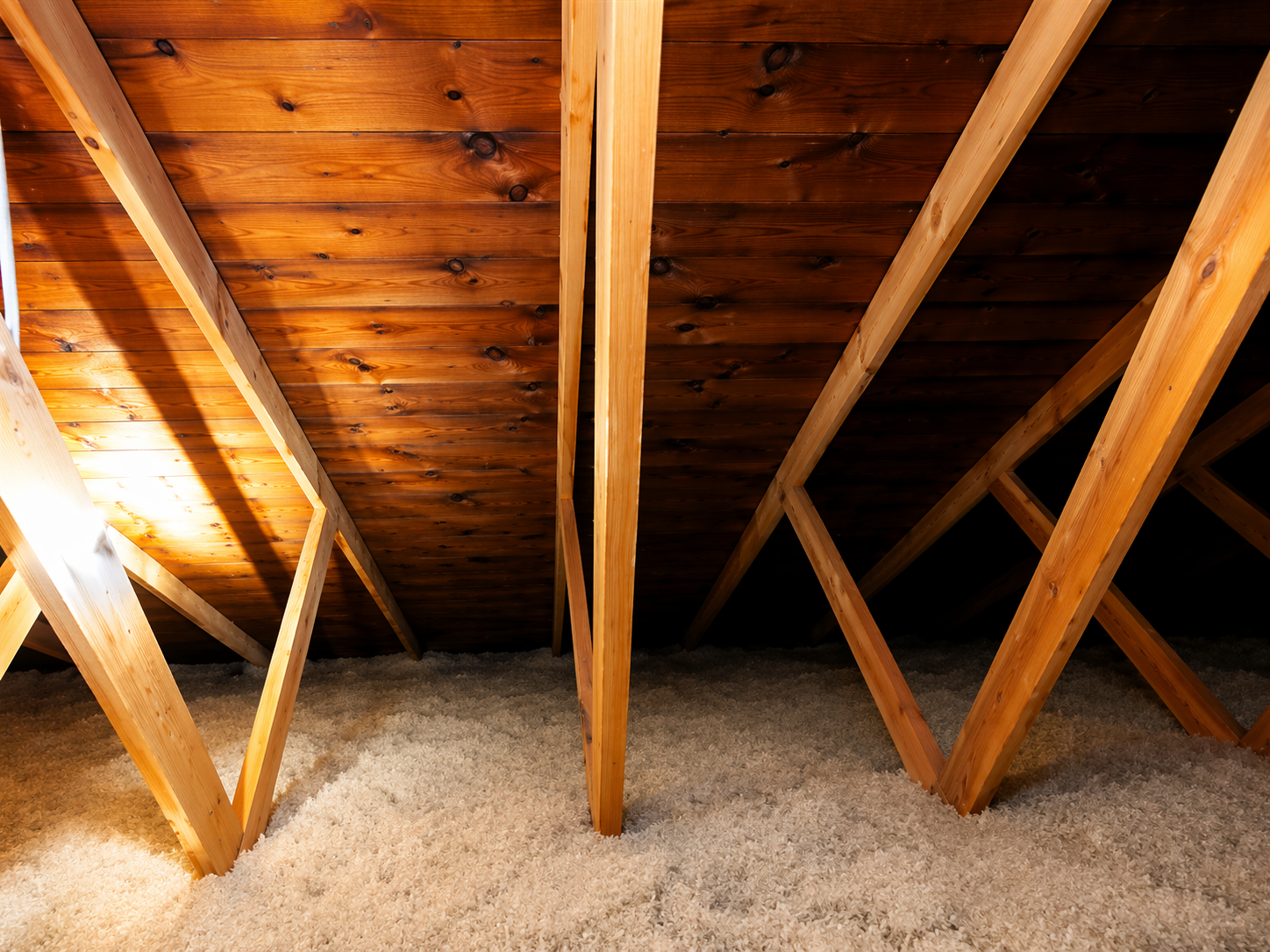
The Minnesota energy code requires significant attic insulation depth to handle the climate — current standards call for R-49 to R-60 in attic spaces depending on the construction era. Older homes are often dramatically under-insulated, with as little as R-19 in some cases. We measure insulation depth and document the type and condition. Inadequate insulation is not a deal-breaker but it tells you something important about heating bills, ice dam risk, and the overall energy efficiency of the home you are buying.
6. Foundation Cracks With Active Water Entry
Minnesota's freeze-thaw cycles are brutal on basement foundations. Water that gets into a small crack in the fall can freeze and expand during the winter, opening the crack wider every year. During a winter foundation inspection we look at every visible crack, every floor-wall joint, every pipe penetration, and every window well. Active water entry — especially staining patterns that suggest recent or ongoing leaks — is a serious finding that needs further evaluation, often including a moisture map of the basement floor.
7. Carbon Monoxide and Combustion Air Issues
In a tightly sealed Minnesota home running gas appliances continuously, combustion air supply becomes critical. We check that every fuel-burning appliance has adequate combustion air, proper venting, and clear draft. We test carbon monoxide detectors. We look at gas water heater draft, dryer vent backflow, and any signs of soot or scorching that suggest backdrafting. Carbon monoxide is invisible and odorless, and Minnesota winters create the conditions where it builds up fastest. This part of the inspection genuinely saves lives.
8. Snow and Ice Damage to Decks and Stairs
Snow load on a Minnesota deck can reach hundreds of pounds per square foot during a heavy winter. We look at deck framing, ledger connections, posts, beams, and railings for any signs of stress, separation, or movement. We check exterior stairs and walkways for signs of frost heaving and structural shift. A deck failure is one of the most common catastrophic injuries in residential properties, and the deck is at its most stressed condition during winter inspections.
9. Roof Vent and Chimney Penetration Issues
Roof vents, chimneys, plumbing stacks, and other penetrations are the most common leak points on any roof, and winter conditions reveal problems that summer hides. Snow accumulation around a poorly flashed vent, ice damming around a chimney, frost staining inside the attic at penetration locations — all of these tell us something about the long-term water management of the roof. When we get into the attic and look at the underside of every penetration, we can see exactly what is working and what has been failing for years.
10. Drafty Windows, Doors, and Air Leaks
Air leaks are the single biggest cause of high heating bills in Minnesota homes. During a winter inspection we can feel air movement around old windows, exterior doors, electrical outlets on exterior walls, and any unsealed penetrations. We document these areas because they directly impact comfort and energy cost. A homeowner who has been quietly tolerating drafty windows for years may not even mention them — but as a buyer, you deserve to know what you are walking into.
Why a Winter Inspection Is Actually a Good Thing
Many homebuyers worry that buying a home in winter is risky because the roof is covered in snow, the yard is frozen, and the systems are stressed. The opposite is true. A winter inspection in Minnesota gives you information you cannot get during the summer. You see how the heating system performs under load. You see whether the insulation and air sealing are adequate. You see whether the foundation is dry under freeze conditions. You see whether the roof handles snow load without ice damming. The discomfort of a cold inspection is more than offset by the depth of information you get out of it.
If you are buying a home in southern Minnesota this winter and you want an inspector who knows exactly what to look for in the cold months, get an instant quote at our online calculator or call 507-721-0122. We have inspected hundreds of properties in Minnesota winters and we know what these homes are telling you when they are stressed.